
What you can do for your horse to promote healthy teeth and prevent problems : Not as complicated as you think!
As horse owners, we spend a lot of time thinking about nutrition, hoof care and vaccinations—but dental health is just as important.
A healthy mouth allows your horse to chew efficiently, maintain body condition, perform comfortably under saddle and enjoy a good quality of life. While many dental diseases can't be completely prevented, there is a lot you can do to reduce the risk of problems developing and ensure any issues are detected early.
Think of dental care as preventative healthcare. Small problems are often simple to manage, whereas advanced dental disease can be painful, costly and much more difficult to treat.
Here are some of the best ways you can help keep your horse's mouth healthy throughout their life.
1. Schedule Regular Dental Examinations
The single most important thing you can do for your horse's dental health is arrange routine examinations by a veterinarian with advanced training in equine dentistry.
Many dental conditions develop gradually and are difficult to recognise at home. Horses are also incredibly good at hiding pain, so by the time obvious signs appear, disease may already be well advanced.
A comprehensive dental examination allows your dental veterinarian to identify problems before they become painful or begin affecting your horse's eating or performance.
As a general guide:
Foals should have their mouths examined to ensure normal development.
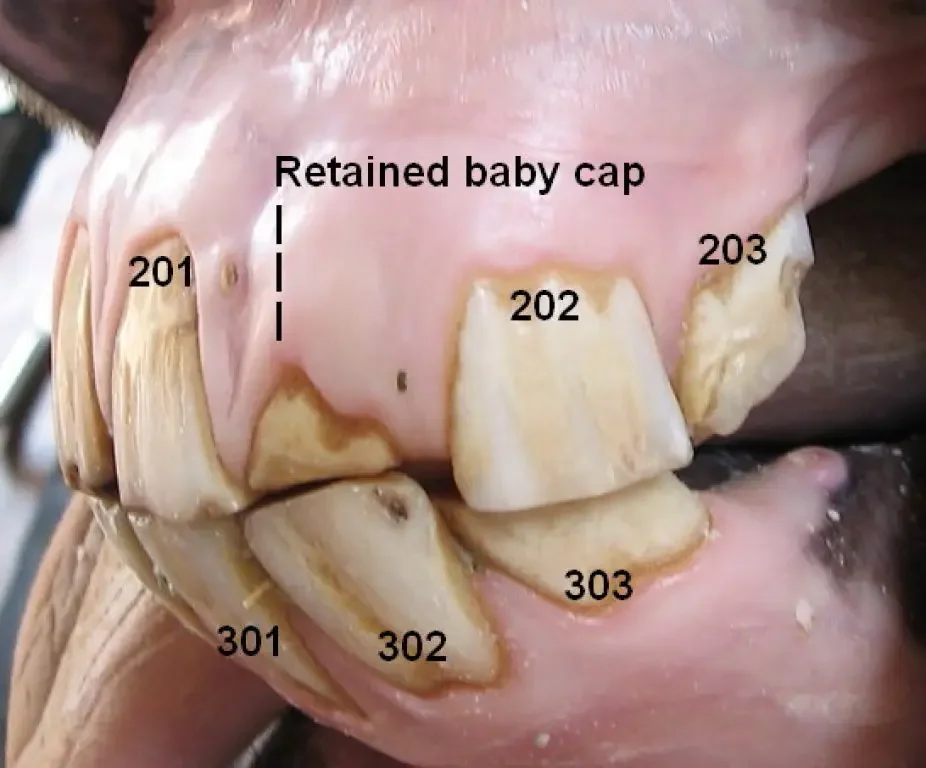
Young horses benefit from checks every 6 months while their permanent teeth erupt and deciduous teeth (‘caps’) shed.
Most healthy adult horses should have a dental examination every 6–12 months.
Senior horses often require more frequent monitoring because age-related dental disease becomes increasingly common.
Your veterinarian will recommend an examination schedule based on your horse's age, breed and individual needs.
2. Don't Wait Until Your Horse Shows Signs of Pain
One of the biggest misconceptions about equine dentistry is that horses will stop eating if their mouths hurt.
In reality, horses have evolved to hide pain remarkably well. Grazing is essential for survival, so most continue eating despite significant discomfort.
Many horses with serious dental disease:
Maintain a healthy body condition.
Continue eating hard feed.
Perform under saddle.
Show only very subtle behavioural changes.
By the time obvious signs such as quidding, weight loss or facial swelling appear, dental disease is often advanced.
Preventative examinations are far more valuable than waiting for symptoms and can prevent the disease from occurring or progressing.
3. Feed Plenty of Forage
Horses evolved to graze for 16–18 hours each day.
Chewing long-stem forage produces large amounts of saliva, which helps lubricate feed and supports a healthy oral environment. The repetitive side-to-side chewing motion also promotes normal wear of the cheek teeth.
Whenever possible, provide:
Good-quality pasture
Grass hay or low sugar hay
Appropriate roughage for your horse's individual needs
Concentrate feeds should complement forage, not replace it. Most horses only require forage and vitamin & mineral supplement.
Of course, every horse has different nutritional requirements, so always work with your veterinarian or equine nutritionist to develop an appropriate feeding plan.
4. Pay Attention to Changes at Feeding Time
You know your horse better than anyone.
Small changes in eating behaviour are often the earliest clue that something isn't right.
Watch for:
Dropping feed while chewing
Balls of partially chewed hay (quidding)
Taking longer to finish meals
Tilting the head while eating
Difficulty biting off carrots or apples
Eating on one side of the mouth
Excessive salivation
Bad breath
Weight loss despite a normal appetite
Even subtle changes are worth mentioning at your horse's next dental examination.
5. Learn to Recognise Behavioural Changes
Dental pain doesn't always look like difficulty eating.
Sometimes it shows up as changes in behaviour or performance.
A horse experiencing oral discomfort may become:
Resistant to bridling
Unwilling to accept the bit
Head shy
Less responsive under saddle
Difficult to collect or flex
Irritable during handling
Less enthusiastic about work
While these signs don't always indicate dental disease, the mouth should always be considered as part of the investigation.
6. Remember That Young Horses Need Dental Care Too
Dental problems aren't limited to older horses.
Young horses undergo enormous changes as their permanent teeth erupt.
Routine examinations allow your veterinarian to identify issues such as:
Retained deciduous ("baby") teeth or ‘caps’
Eruption abnormalities
Abnormal alignment
Developmental abnormalities
Sharp enamel points associated with erupting teeth
Addressing these issues early can prevent more significant problems later in life.
7. Senior Horses Need Extra Attention
Older horses are particularly prone to age-related dental disease.
Conditions such as:
Periodontal disease
Equine Odontoclastic Tooth Resorption and Hypercementosis (EOTRH)
Tooth fractures
Tooth root infections
Progressive wear of the cheek teeth
become increasingly common as horses age.
Regular examinations, often including dental radiographs, allow these conditions to be detected before they significantly affect comfort or nutrition.
Many older horses continue living active, happy lives with appropriate dental care.
8. Don't Ignore Bad Breath
Many owners assume bad breath is normal.
It isn't.
Persistent bad breath often indicates infection somewhere within the mouth.
Common causes include:
Periodontal disease
Food trapped between teeth
Tooth root infections
Fractured teeth
Oral wounds
If your horse consistently has unpleasant-smelling breath, it's worth arranging a dental examination.
9. Feed low sugar feeds
Horses, just like us, can get cavities. Peripheral cavities that affect the sides of the teeth (rather than the grinding or occlusal surface) have a strong link with the sugar levels in the diet.
Feeding your horse low sugar feed options reduce the sugar adhering to the tooth, therefore reducing the food source for oral bacteria that produce acids and degrade the teeth.
Aim for diets that have a non-structural carbohydrate or water soluble carbohydrate level of less than 10%.
Request hay testing from your supplier or read the label on the bag of the chaff / concentrate.
10. Buffer acidic water sources
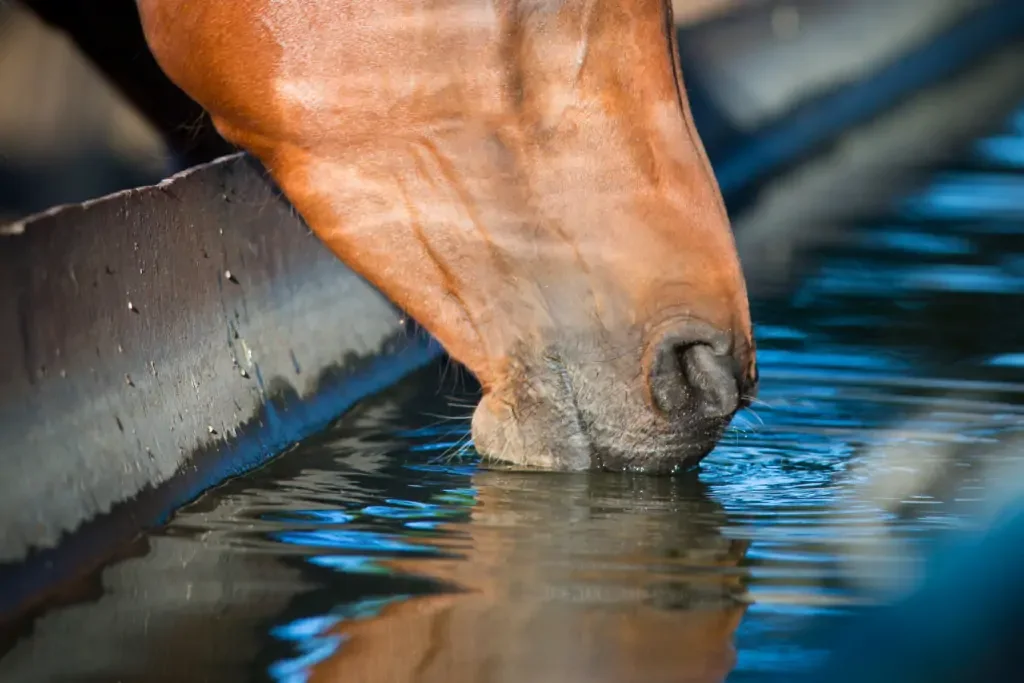
Water pH plays a role in peripheral cavity formation in horses, with bore water found to be protective to horse teeth compared to dam or rain water.
Using pool pH strips, test your horse’s water.
If the pH is below 7, speak to your dental vet about buffering your horse’s water with a neutraliser (like agricultural limestone or specific pH-balancing supplements) or change water sources.
Can Dental Disease Be Prevented?
Some conditions can certainly be reduced through good preventative care, saving your horse from pain and discomfort.
Others, particularly age-related diseases such as EOTRH or naturally occurring tooth fractures, cannot currently be prevented.
The goal isn't to eliminate every possible dental problem—because that's simply not realistic.
Instead, the aim is to:
Detect disease early.
Minimise pain.
Preserve healthy teeth.
Maintain normal chewing.
Support lifelong comfort and wellbeing.
Regular preventative care consistently leads to better long-term outcomes than waiting until problems become obvious.
The Take-Home Message
Healthy teeth don't happen by chance. They result from a combination of good nutrition, careful observation and regular professional dental care.
Because horses are experts at hiding pain, routine dental examinations remain the most effective way to detect problems before they become serious.
Whether your horse is a playful foal, a busy competition horse or a much-loved retiree, investing in their dental health is an investment in their overall wellbeing.
After all, a comfortable mouth means more than just healthy teeth—it means happier eating, better performance, improved quality of life and many more years enjoying the things horses do best.