
Periodontal Disease : A painful condition affecting up to 60% of horses
When people hear the words "gum disease," they usually think about human dentistry. But did you know that periodontal disease is actually one of the most common dental problems affecting horses?
It can cause chronic pain, difficulty eating, bad breath and, in severe cases, tooth loss. The good news is that with regular dental examinations, periodontal disease can often be detected early and managed successfully before it has a major impact on your horse's health and comfort.
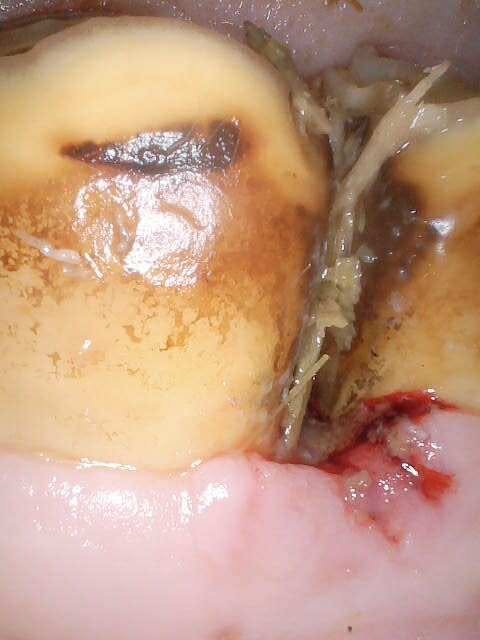
What is periodontal disease?
Periodontal disease is inflammation and infection of the tissues that support the tooth.
These supporting structures include:
The gums (gingiva)
The periodontal ligament, which anchors the tooth to the bone
The cementum covering the root of the tooth
The surrounding alveolar bone
In a healthy mouth, these tissues work together to hold each tooth firmly in place while allowing the slight movement needed to absorb the enormous forces generated during chewing.
When periodontal disease develops, these supporting tissues become inflamed and gradually break down. If left untreated, the attachment between the tooth and surrounding bone weakens, allowing food to become trapped more easily and creating an ongoing cycle of inflammation and infection.
Why do horses develop periodontal disease?
Unlike people, horses don't develop periodontal disease because they forget to brush their teeth.
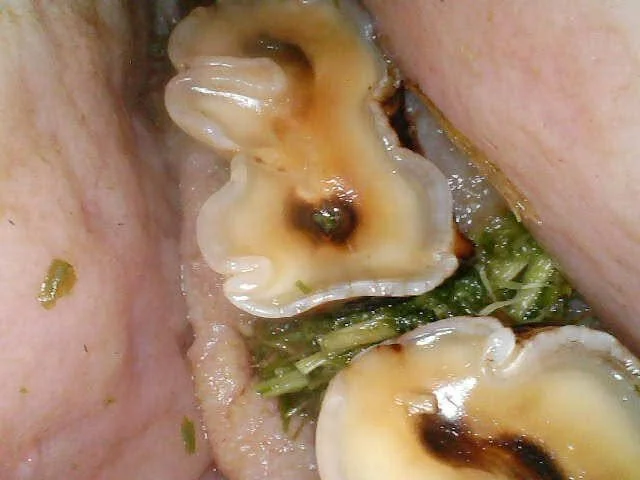
Instead, it usually begins when food becomes trapped between teeth.
As horses chew, fibrous material such as grass and hay can become packed into small gaps between neighbouring cheek teeth. This trapped feed encourages bacterial growth and inflammation of the surrounding gum tissue.
Over time, the inflammation can spread deeper, damaging the periodontal ligament and the bone supporting the tooth.
Several factors increase the risk of periodontal disease, including:
Widening spaces (diastemata) between teeth
Overgrowths or sharp enamel points that alter normal chewing
Fractured teeth
Abnormal tooth alignment
Age-related changes
Previous dental disease
Developmental abnormalities in younger horses
Some horses are simply more prone to developing periodontal pockets than others, even with excellent routine dental care.
What is a diastema?
A diastema is an abnormal gap between two neighbouring teeth.
While tiny spaces can occur naturally, problematic diastemata trap feed rather than allowing it to pass freely.
Imagine grass and hay being packed tightly between two teeth every time you eat. The resulting pressure, bacterial growth and inflammation become increasingly painful over time.
Many horses with periodontal disease have one or more diastemata that require specific treatment.
What are the signs of periodontal disease?
One of the most frustrating aspects of equine dental disease is that horses often hide pain remarkably well.
Many continue eating despite significant discomfort.
Some of the more common signs include:
Bad breath (halitosis)
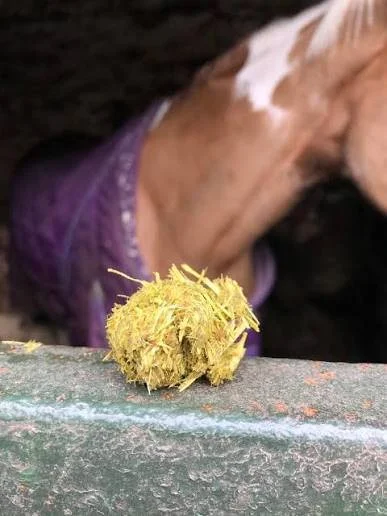
Quidding (dropping partially chewed balls of hay)
Slow eating
Weight loss
Dropping feed while chewing
Difficulty chewing hay
Preference for softer feeds
Nasal discharge (particularly if upper cheek tooth roots become infected)
Swelling of the face
Resistance to the bit
Head tilting while chewing
Poor performance
Behavioural changes
Sometimes there are no obvious signs at all.
In fact, most horses are diagnosed during routine dental examinations before owners notice any problems.
How is periodontal disease diagnosed?
A thorough oral examination is essential.
Using sedation, a full-mouth speculum, bright lighting and a dental mirror or oral endoscope, your veterinarian carefully examines every tooth and the surrounding gums.
Particular attention is paid to:
Inflamed gums
Feed trapped between teeth
Gum recession
Periodontal pockets
Loose teeth
Foul-smelling areas
Abnormal tooth wear
Fractures
However, what can be seen in the mouth is only part of the picture.
Dental radiographs tell the rest of the story
Dental radiographs are often recommended to determine how much damage has occurred beneath the gumline.
Radiographs allow us to assess:
Loss of supporting bone
Infection around tooth roots
Widening of the periodontal ligament
Tooth root abnormalities
Fractures
Changes that cannot be seen during the oral examination
These images are invaluable when deciding on the best treatment plan.
Is periodontal disease painful?
Yes.
Inflammation of the tissues supporting a tooth is painful, particularly when feed is continually forced into an already inflamed periodontal pocket.
Many horses continue eating because grazing is essential for survival, not because they are comfortable.
Like many chronic conditions, horses often adapt remarkably well, masking their discomfort until the disease becomes advanced.
Owners frequently notice dramatic improvements after treatment, commenting that their horse is:
Happier
More willing under saddle
Eating more comfortably
Less resistant to bridling
Brighter and more interactive
Sometimes these subtle improvements are the clearest indication of just how much discomfort the horse had been experiencing.
How is periodontal disease treated?
Treatment depends on the severity and underlying cause.
Thorough dental treatment
Correcting abnormal tooth overgrowths helps restore more normal chewing patterns and reduces further food trapping.
Cleaning periodontal pockets
Packed feed is carefully removed from affected spaces.
This immediately reduces pressure and removes a major source of bacterial contamination.
Flushing and disinfecting
Periodontal pockets are thoroughly flushed to remove debris and reduce bacterial load.
Owners are sometimes shown how to continue gentle flushing at home when appropriate.
Treating diastemata
Where abnormal gaps are trapping feed, specialised procedures may be recommended.
These can include widening very narrow diastemata so feed can pass through more easily rather than becoming tightly impacted.
Not every horse requires this treatment, but it can be highly successful in selected cases.
Pain relief
Anti-inflammatory medications may be prescribed to improve comfort while healing occurs.
Tooth extraction
Occasionally, the supporting tissues become so severely damaged that the affected tooth cannot be saved.
While extraction is considered a last resort, removing a chronically infected tooth often provides immediate relief from longstanding pain.
Can periodontal disease be cured?
Early disease can often be managed very successfully.
Unfortunately, once significant bone has been lost, the supporting tissues cannot completely regenerate.
The goal of treatment becomes:
Reducing pain
Controlling infection
Slowing progression
Preserving affected teeth whenever possible
Maintaining long-term comfort and function
Many horses continue comfortably for years with appropriate ongoing dental care.
How often should horses have dental examinations?
Every horse is different.
As a general guide:
Young horses should have regular examinations while their permanent teeth are erupting.
Healthy adult horses should usually be examined every 6–12 months.
Older horses or those with existing periodontal disease often benefit from more frequent rechecks.
Your veterinarian will recommend an interval based on your horse's age, dental health and individual risk factors.
Can periodontal disease be prevented?
While not every case can be prevented, regular professional dental care significantly reduces the risk of severe disease.
Routine examinations allow small problems to be identified before they become painful.
Maintaining good dental balance also helps ensure teeth wear normally, reducing the likelihood of abnormal food trapping.
Early intervention is almost always simpler, less invasive and more successful than treating advanced disease.
The Take-Home Message
Periodontal disease is one of the most common causes of chronic oral pain in horses, yet many affected horses continue eating and behaving almost normally.
Because horses are masters at hiding discomfort, regular dental examinations are the best way to identify problems before they become severe.
If your horse has bad breath, drops feed, struggles with hay, resists the bit or simply seems to have changed over time, don't assume it's just part of getting older. A detailed dental examination may reveal a treatable cause.
Healthy teeth are about much more than chewing—they play a vital role in your horse's comfort, nutrition, performance and overall quality of life. With regular preventative care and early treatment, most horses can continue to eat comfortably and enjoy many healthy years ahead.